
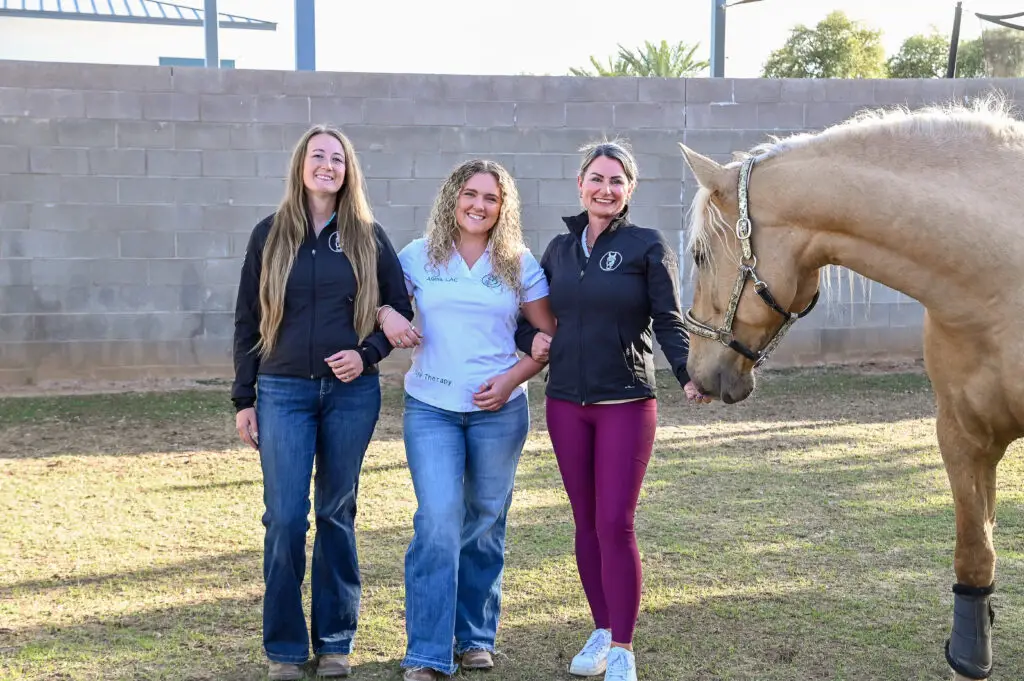
At Skye Therapy Solutions, we believe meaningful change happens when therapy extends beyond the walls of an office. Our goal is not simply to help a child manage behaviors or work through immediate challenges. We want to understand the child, strengthen their nervous system, build healthy attachments, develop real-world skills, and help them become confident and capable in all areas of life.
What sets Skye apart is our investment in highly trained clinicians, our attachment-focused approach, and the additional opportunities we provide for children to practice what they learn in real-world environments.
1. Higher-Level Clinician Training and Development
We believe the quality of therapy is directly connected to the training and experience of the clinician providing it. We invest significantly more time in developing our clinicians than many traditional agencies.
- Extensive hiring process: Our interview process can take up to three months because we are intentional about finding clinicians who are the right fit for our agency and the families we serve.
- Long-term clinician development: We may spend up to three years developing a clinician’s skills through continued education, mentorship, and hands-on experience.
- Weekly hands-on training: Clinicians have opportunities to train directly with the agency owner for three or more hours each week.
- Real-time clinical mentorship: When challenging situations arise, we use them as opportunities to demonstrate how to follow a child’s behavior, understand what their nervous system is communicating, and help reshape their responses through therapeutic interventions.
We don’t believe a clinician should simply be handed a caseload and expected to figure everything out. We believe in developing highly skilled professionals who understand the why behind their interventions.
2. Attachment-Focused Therapy That Extends into the Home
We are attachment specialists, which means we look beyond the presenting behavior to understand what a child may be communicating through their actions, relationships, and nervous system responses.
Our work focuses on:
- Strengthening healthy attachment between children and their caregivers.
- Helping children develop emotional regulation and relational safety.
- Teaching parents attachment-focused language and practical tools they can use at home.
- Helping parents understand the underlying needs driving behaviors rather than focusing exclusively on correcting those behaviors.
- Creating consistency between what happens in therapy and what happens within the family.
We recognize that one hour of therapy each week is only a small part of a child’s life. By equipping parents with the same therapeutic language and strategies, we help extend the therapeutic process into everyday interactions.
3. Real-World Social Experiences and Community Integration
We believe children need opportunities to practice their skills outside of a traditional therapy setting. A child may demonstrate certain skills individually with a therapist but struggle when navigating social expectations, peer interactions, or unfamiliar environments.
To address this, we offer small-group community outings where children participate in activities such as:
- Painting pottery
- Miniature golfing
- Other community-based recreational activities
These outings allow our clinicians to observe how children navigate social situations, interact with peers, manage expectations, handle transitions, and respond to the unpredictability of community environments.
This gives us valuable insight into areas of strength and opportunities for continued growth that may not be visible during individual therapy.
4. Friday Groups: Understanding how Children Function with Peers
In addition to community outings, we offer a series of Wednesday or Friday groups designed to help children become more comfortable and confident in group environments.
Individual therapy does not always reveal the social insecurities, behavioral challenges, or emotional responses that emerge when a child is around peers.
Our groups allow us to:
- Observe peer interactions and social communication in real time.
- Identify insecurities that may not surface in individual sessions.
- Practice emotional regulation in a group environment.
- Develop flexibility, cooperation, and frustration tolerance.
- Build confidence in navigating social relationships.
We want to make sure we aren’t overlooking important areas of development simply because a child does well in a one-on-one setting.
5. Teen Job Assistance
We believe preparing teenagers for adulthood involves more than helping them manage emotions. They also need opportunities to develop practical skills, confidence, and independence.
Our job assistance program helps teenagers navigate the employment process and develop the skills necessary to be successful in a workplace.
We focus on:
- Identifying appropriate employment opportunities.
- Building confidence during the job search and interview process.
- Developing workplace communication and social skills.
- Learning to accept constructive criticism without becoming overwhelmed.
- Building frustration tolerance, accountability, and independence.
Our goal is to help teenagers recognize their capabilities and develop the confidence to transition into adulthood successfully.
6. Seasonal Therapeutic Retreats
One of the unique opportunities we provide is our seasonal day retreats. These experiences allow us to observe children in more natural, extended environments while giving them opportunities to develop relationships, confidence, and practical life skills.
Winter Retreats: Hiking and Outdoor Exploration
Our winter retreats include weekday hikes on more remote trails throughout the area. Scheduling these experiences during the week provides a quieter, more private environment where children can explore, connect with peers, and engage in therapeutic experiences outside of their usual routines.
Summer Retreats: Paddleboarding and Lake Experiences
Our summer retreats include paddleboarding and full-day lake experiences. These outings provide opportunities for children to engage in sensory-rich activities, interact with peers, navigate new experiences, and practice emotional regulation in an outdoor environment.
The extended nature of these experiences is particularly valuable. We can observe how a child responds when they become tired, overstimulated, frustrated, or challenged by unfamiliar situations.
These observations help us better understand what skills still need to be developed and how to support children in becoming more independent and successful outside of therapy.
7. Our Ultimate Goal: Long-Term Independence, Not Lifelong Therapy
Perhaps the biggest difference in our philosophy is that we don’t want children to need therapy forever.
We want to help children develop the emotional, relational, sensory, and practical skills necessary to navigate life with increasing independence.
By combining highly trained clinicians, attachment-focused interventions, parent education, group experiences, community integration, and real-world skill development, we can address areas of a child’s life that traditional individual therapy may not fully capture.
We aren’t just looking at how a child functions during their therapy hour. We are looking at how they function at home, at school, with peers, in the community, and eventually as independent young adults.
Our ultimate goal is to help families build the tools and confidence they need long after therapy ends.